
For years, engineering companies got away with digital friction.
- Clunky navigation.
- Rigid search tools.
- Buried answers.
- Long paths to simple information.
- Premature “contact us” gates.
It wasn’t ideal. But it was common enough that many companies treated it as normal.
After all, this was B2B. Products were complex. Buying cycles were long. Users were expected to do more work.
That logic used to hold up better than it does now.
Today, your B2B buyers have spent years being shaped by better digital experiences elsewhere. They use consumer platforms that are fast, intuitive, personalized, responsive, and self-serve. They search naturally. They expect relevance quickly. They expect digital tools to reduce effort, not create it.
And those expectations don’t disappear when they visit a manufacturer website.
Your Buyers are not Comparing You Only to Other B2B Sites
This is the part many teams miss: Your website is not being evaluated in a vacuum.
It’s being used by people who already know what fast, useful, low-friction digital experience feels like. Even if they understand that B2B products are more complex, they still bring those expectations with them.
That includes engineers.
Technical audiences may be more tolerant of complexity in the product itself. But that doesn’t mean they’re indifferent to the experience of finding, evaluating, and understanding it.
They still notice when:
- Search makes them work too hard
- Documentation is difficult to access
- Product discovery is too rigid
- Answers are hidden in PDFs
- The site pushes them to contact someone before they’re ready
In other words, they still feel friction.
This is Not About Turning B2B into B2C
It’s important to make the right distinction here.
The takeaway is not that B2B websites should look like consumer storefronts.
The takeaway is that good digital experience principles travel.
Users want:
- Less effort
- Faster progress
- Clearer answers
- Better search
- Easier comparison
- More self-service
Those are not consumer-only preferences. They are human preferences.
And because B2C experiences have spent years improving around those expectations, B2B users now feel the gap much more clearly when it exists.
Why This Matters Even More in Technical Industries
In electronics and other technical markets, it’s easy to fall back on complexity as an explanation for poor experience.
The product is technical.
The catalog is large.
The documentation is detailed.
The buying process is nuanced.
All true. But those realities don’t reduce the need for a good digital experience. They increase it.
The more complex the product, the more important it is to help users make progress.
That might mean:
- Making products easier to find
- Making specs easier to compare
- Making technical answers easier to access
- Reducing the number of steps between question and confidence
A difficult decision does not justify a difficult interface.
The Rise of Self-Serve Expectation
There’s another shift happening underneath all of this: more users want to stay self-serve longer.
Some of that comes from convenience. Some from habit. Some from generational preference. Some from simple efficiency.
Whatever the reason, more buyers now expect to:
- Research independently
- Narrow options themselves
- Get answers digitally
- Avoid unnecessary calls until they’re ready
That doesn’t make sales less important. It makes the website more responsible.
The site has to do more of the work earlier in the journey. It has to support product discovery, answer questions, reduce uncertainty, and help users move forward before a human conversation becomes necessary.
What “Good” Looks Like Now
A better B2B digital experience doesn’t mean flashy design or trend-chasing.
It means the site behaves like a useful tool.
That includes things like:
- Search that works the way users think
- Product discovery that doesn’t depend on perfect filtering
- Answers that are easy to access
- Content that reduces uncertainty
- Fewer dead ends
- Less channel-switching
- Clearer next steps
Put simply: a better site helps users make progress.
That’s what many B2C experiences have done exceptionally well. And now B2B buyers expect more of the same from professional environments too.
The Real Takeaway
B2C didn’t make B2B buyers unreasonable.
It made them more aware of what good digital experience feels like.
That changes the standard.
“It’s B2B” may still explain why products are complex. But it no longer excuses unnecessary friction.
And the companies that understand that will build websites that do more than hold information. They’ll build websites that actually help users move.
If you’re thinking about how to reduce friction for high-intent visitors, that’s exactly where our AI tool fits. Lassie replaces outdated parametric search with AI-powered product discovery and gives users answers grounded in your product knowledge base. Contact us if you want to see what that could look like on your site.
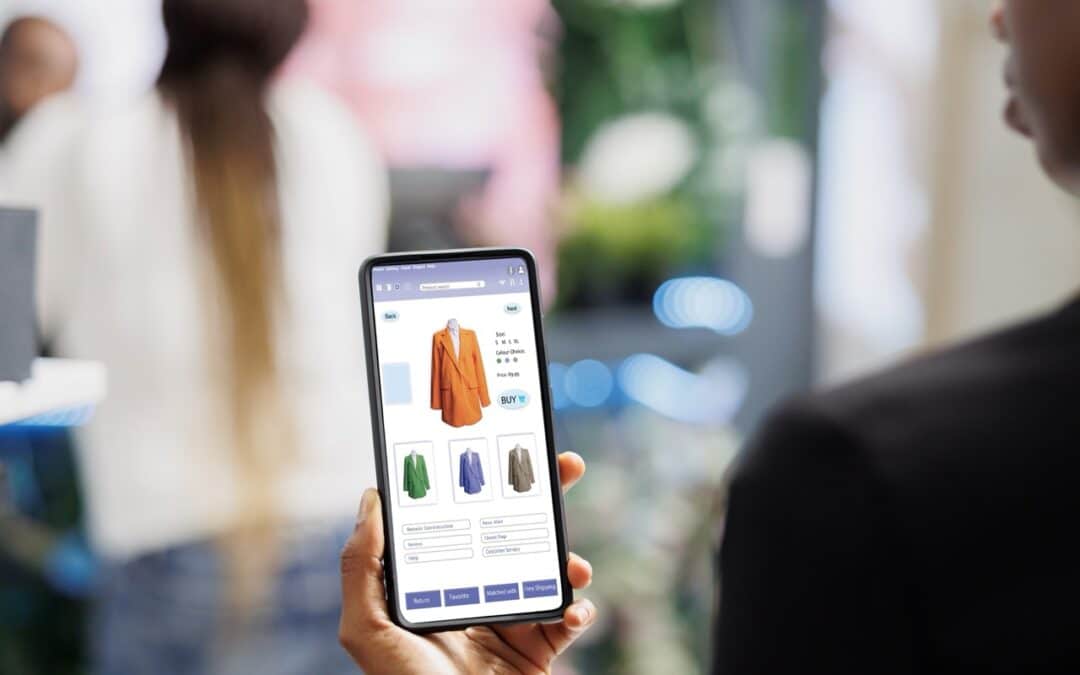
Image by Image by DC Studio on Freepik